



Introduction
Tax season can be overwhelming for individuals and employers alike, especially when preparing payroll documentation. Accurate pay stubs provide essential information for filing returns, verifying income, and fulfilling compliance requirements. Understanding how to use pay stubs correctly during tax season can make the process smoother and error‑free.
Why Pay Stubs Matter in Tax Season
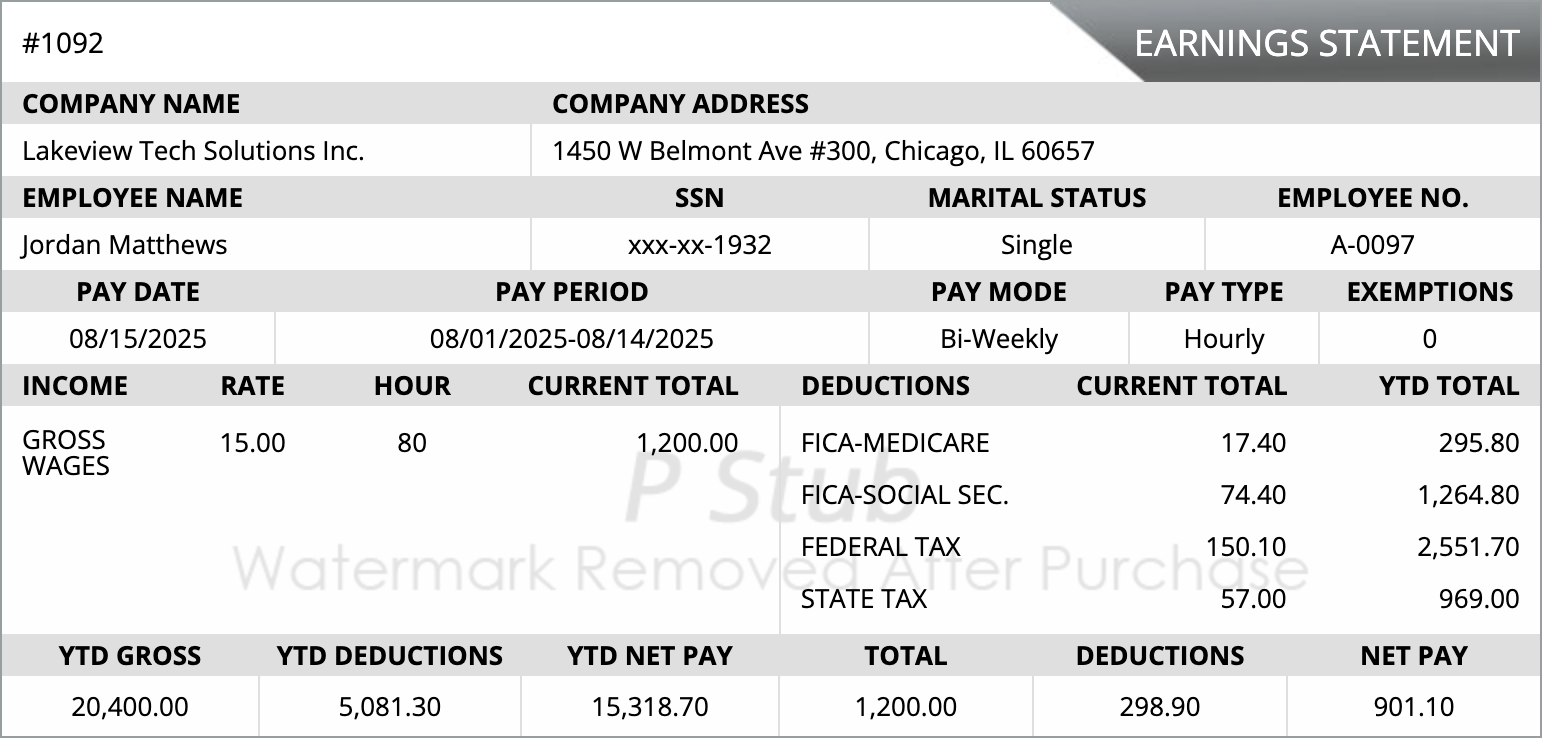
Pay stubs offer a complete breakdown of earnings, deductions, and contributions made during a year. They help taxpayers gather necessary financial information, validate reported income on tax returns, and support claims for credits or deductions.
Organize Pay Stub Records
Before filing taxes, collect and organize all pay stubs for the year. This includes both physical and digital stubs. Having a full set of pay stubs makes it easier to reconcile total income and prepare accurate tax documents.
Verify Accuracy Before Filing
Review each pay stub to confirm that earnings, deductions, and taxes are correctly calculated. Be sure the totals match your annual earnings reported on Form W‑2 or 1099. Address any discrepancies before submitting your tax return.
Report All Taxable Income
Ensure that all income shown on pay stubs is included in your tax filing. This includes bonuses, overtime, and other taxable payments. Missing income can trigger audits or penalties.
Keep Deductions Clear
Pay stubs show various deductions such as federal tax, state tax, Social Security, and Medicare. Understanding how these deductions affect your taxable income can help reduce surprises when filing your taxes.
Frequently Asked Questions (FAQs)
Why are pay stubs important for tax filing?
Pay stubs show detailed income and deduction information that is required when preparing and verifying tax returns. They help ensure your tax figures are accurate.
How do I organize pay stubs for tax season?
Collect all pay stubs from each pay period, organize them by date, and ensure the year‑end totals match Forms W‑2 or 1099 provided by your employer.
What should I do if my pay stub totals don’t match my W‑2?
If totals on your pay stubs don’t align with your year‑end Form W‑2, contact your employer or payroll department to resolve discrepancies before filing.
Can pay stubs help during an IRS audit?
Yes, organized and accurate pay stubs are excellent documentation to support income reported on your tax returns during an audit.
Should I keep pay stubs after filing taxes?
Yes, retaining pay stubs for at least three years is recommended in case of future reviews or audits.




 Cookies Settings
 Reject All
 Accept All Cookies
 Save & Close