



Overview
Pay stubs often contain abbreviations that can be confusing at first glance. This guide makes pay stub abbreviations easy to understand by explaining commonly used payroll terms in clear, simple language.
Why Pay Stub Abbreviations Exist
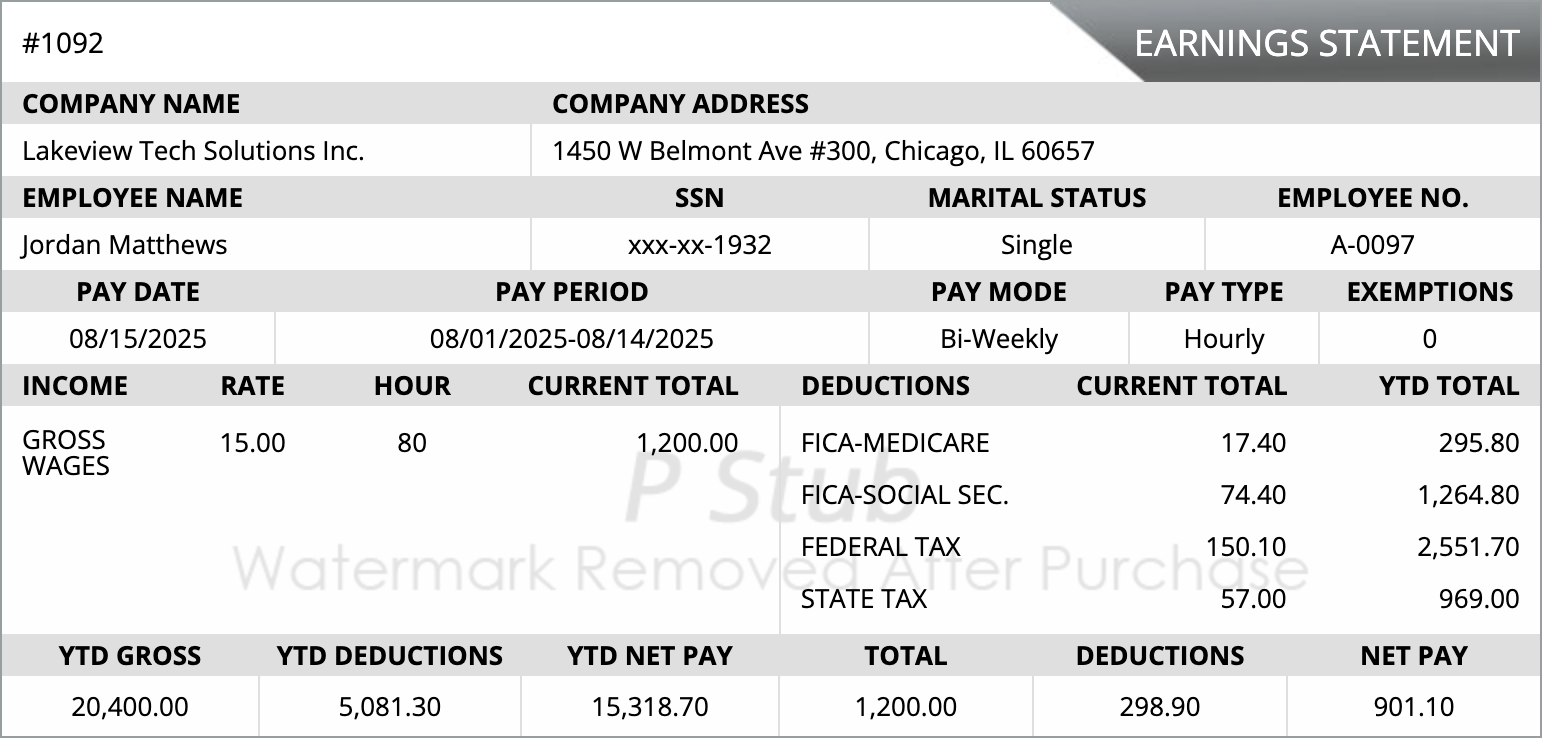
Payroll systems use abbreviations to save space and standardize payroll records. These short codes represent earnings, deductions, taxes, and benefits, allowing payroll information to remain concise and organized.
Common Pay Stub Abbreviations
Below are examples of abbreviations commonly found on pay stubs:
- YTD: Year-to-date earnings or deductions
- FICA: Federal payroll tax deductions
- OT: Overtime pay
- Net Pay: Take-home pay after deductions
- Gross Pay: Total earnings before deductions
How to Read Abbreviations Correctly
To interpret pay stub abbreviations accurately:
- Review the earnings and deductions sections carefully
- Compare totals with previous pay periods
- Confirm year-to-date figures for consistency
- Ask payroll or HR for clarification if needed
Frequently Asked Questions
What does YTD mean on a pay stub?
YTD stands for year-to-date and shows total earnings or deductions accumulated during the year.
Why are pay stub abbreviations different between employers?
Employers may use different payroll systems, resulting in varying abbreviation formats.
Are pay stub abbreviations standardized?
While many abbreviations are common, some payroll terms can vary by employer or payroll provider.
What should I do if I don’t understand an abbreviation?
Contact your employer or payroll department for clarification to avoid misunderstandings.




 Cookies Settings
 Reject All
 Accept All Cookies
 Save & Close