


Introduction
When deciding how to send or receive money, safety is often a top concern. In today’s financial landscape, payment options range from traditional paper checks to fast electronic transactions. Understanding the differences in security and fraud risk between these methods helps you choose the best solution for your needs. This guide examines paper checks vs electronic payments safety and highlights modern practices for secure money management.
Understanding Payment Methods
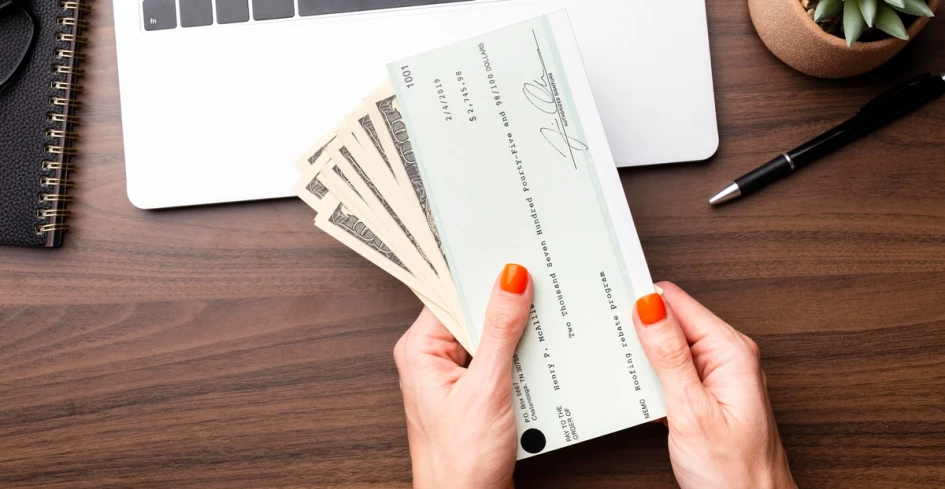
Paper checks are physical documents that instruct a bank to pay a specific amount from one account to another. Electronic payments include online transfers, direct deposits, mobile payments, and automated clearing house (ACH) transactions. Each method has unique features that affect how secure it is in daily use.
Security of Paper Checks
Paper checks rely on physical delivery and processing. Security considerations include:
- Checks can be lost, stolen, or altered if not securely handled.
- Authentication depends on signatures and bank verification systems.
- Fraud can occur through forged endorsements or duplicated checks.
While paper checks provide a paper trail, they require careful handling and safekeeping to prevent unauthorized use.
Security of Electronic Payments
Electronic payments are processed digitally and often use advanced encryption and authentication systems. Common security features include:
- Encryption to protect data during transmission
- Multi-factor authentication for account access
- Real-time monitoring to detect unusual activity
- Automatic alerts for suspicious transactions
These features make electronic payments quicker to process and often more secure when proper precautions are followed.
Comparison of Safety Features
Comparing paper checks and electronic payments, it’s clear that electronic methods generally offer:
- Faster detection of unauthorized activity
- Reduced risk of physical theft or loss
- Advanced encryption and authentication tools
- Immediate confirmation of delivery and receipt
Paper checks still provide a tangible record, but they are more vulnerable to physical interception and slower fraud detection.
Reducing Fraud Risk
No payment method is completely free of risk. To reduce fraud and enhance security:
- Use secure online banking platforms
- Enable multi‑factor authentication
- Monitor accounts regularly
- Avoid sharing sensitive information over unsecured networks
- Safely store or destroy old paper checks
Combining best practices with modern technology helps ensure your financial transactions remain secure.
Choosing the Best Option
Your choice depends on convenience, security needs, and access to digital tools. Electronic payments tend to be more secure and efficient for everyday transactions, while paper checks may be preferable for specific situations where a physical record is desired. Understanding your priorities helps determine which method suits your financial lifestyle.
Frequently Asked Questions (FAQs)
Are electronic payments safer than paper checks?
In most cases, electronic payments are safer due to encryption, monitoring, and authentication tools that protect against unauthorized access.
Can paper checks be secure?
Yes, paper checks can be secure when handled carefully, stored safely, and monitored to prevent loss or theft.
What security features should I look for in electronic payments?
Look for multi‑factor authentication, real‑time alerts, encryption, and secure login systems to protect your financial accounts.
How can I protect myself from payment fraud?
Regularly monitoring accounts, using secure networks, and setting up authentication alerts help reduce the risk of fraud for any payment method.
Is one method always better than the other?
Not always — electronic payments usually offer more security for routine transactions, but paper checks still have a place in specific scenarios where physical documentation is needed.




 Cookies Settings
 Reject All
 Accept All Cookies
 Save & Close