



What Is a Legal Pay Stub?
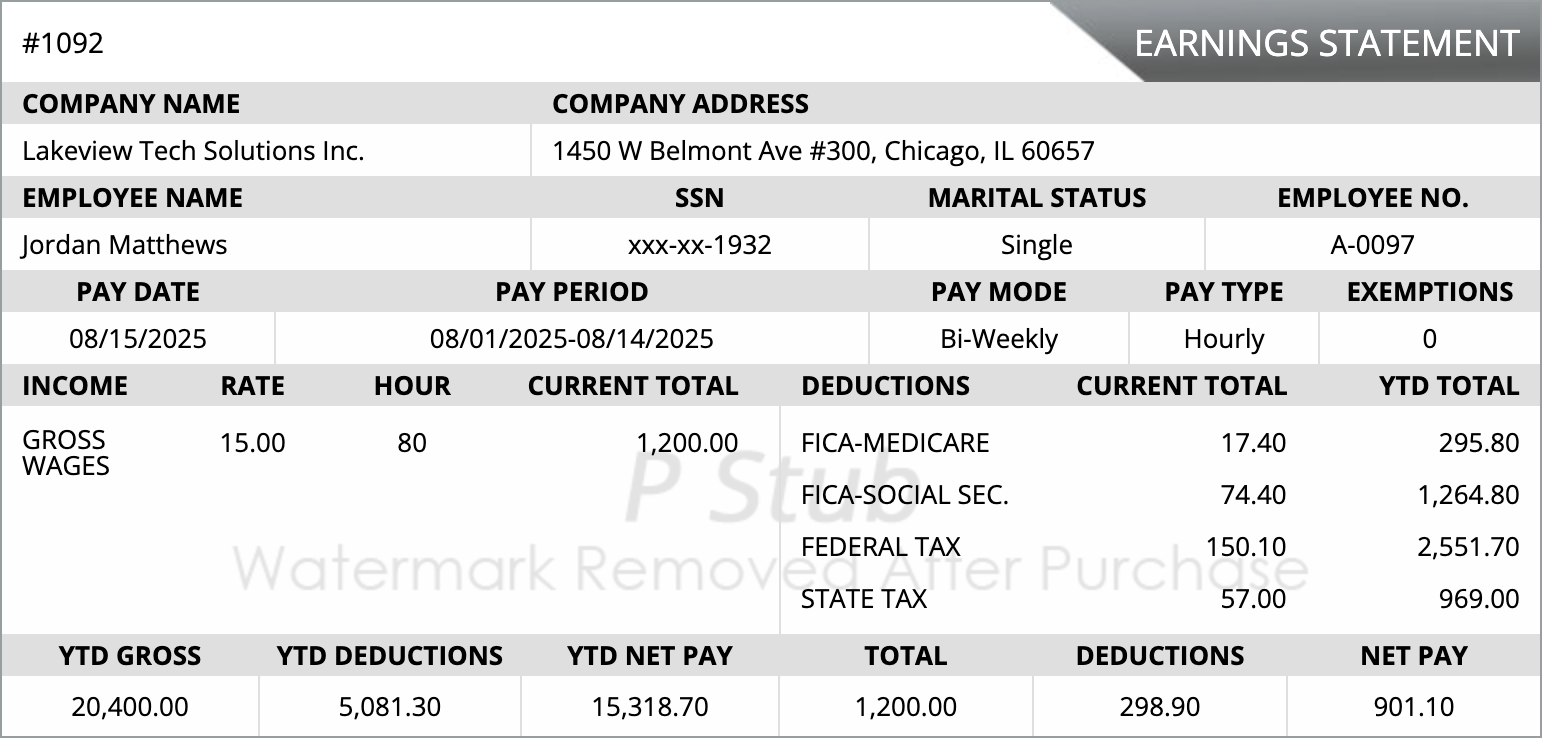
A legal pay stub is a payroll document that meets required standards for transparency and accuracy. It provides a clear breakdown of earnings, deductions, and net pay for a specific pay period.
Required Pay Stub Information
A compliant pay stub should include essential details that clearly explain how pay was calculated.
- Employee name and identifying details
- Pay period dates
- Gross earnings
- Deductions and withholdings
- Net pay amount
- Employer name and payroll information
Employer Responsibilities
Employers are responsible for providing accurate and timely pay stubs that meet legal requirements.
- Ensure payroll calculations are correct
- Provide pay stubs for every pay period
- Maintain payroll records for compliance
- Correct errors promptly when identified
Employee Rights
Employees have the right to receive clear and accurate pay information.
- Access pay stubs for each pay period
- Review earnings and deductions
- Request corrections for discrepancies
- Retain pay stubs for personal records
Frequently Asked Questions
What makes a pay stub legally compliant?
A pay stub is legally compliant when it includes required earnings, deductions, pay period details, and employer information.
Do employers have to provide pay stubs?
Yes, employers must provide pay stubs that clearly explain how wages were calculated.
Can employees request past pay stubs?
Yes, employees can request access to previous pay stubs for record-keeping or verification.
What should I do if my pay stub has errors?
Employees should notify their employer promptly so corrections can be made.




 Cookies Settings
 Reject All
 Accept All Cookies
 Save & Close