



Overview: Reading Paycheck Stubs
Understanding how to read paycheck stubs like a lawyer helps employees verify their earnings, deductions, and taxes. This ensures payroll accuracy and protects against errors or discrepancies.
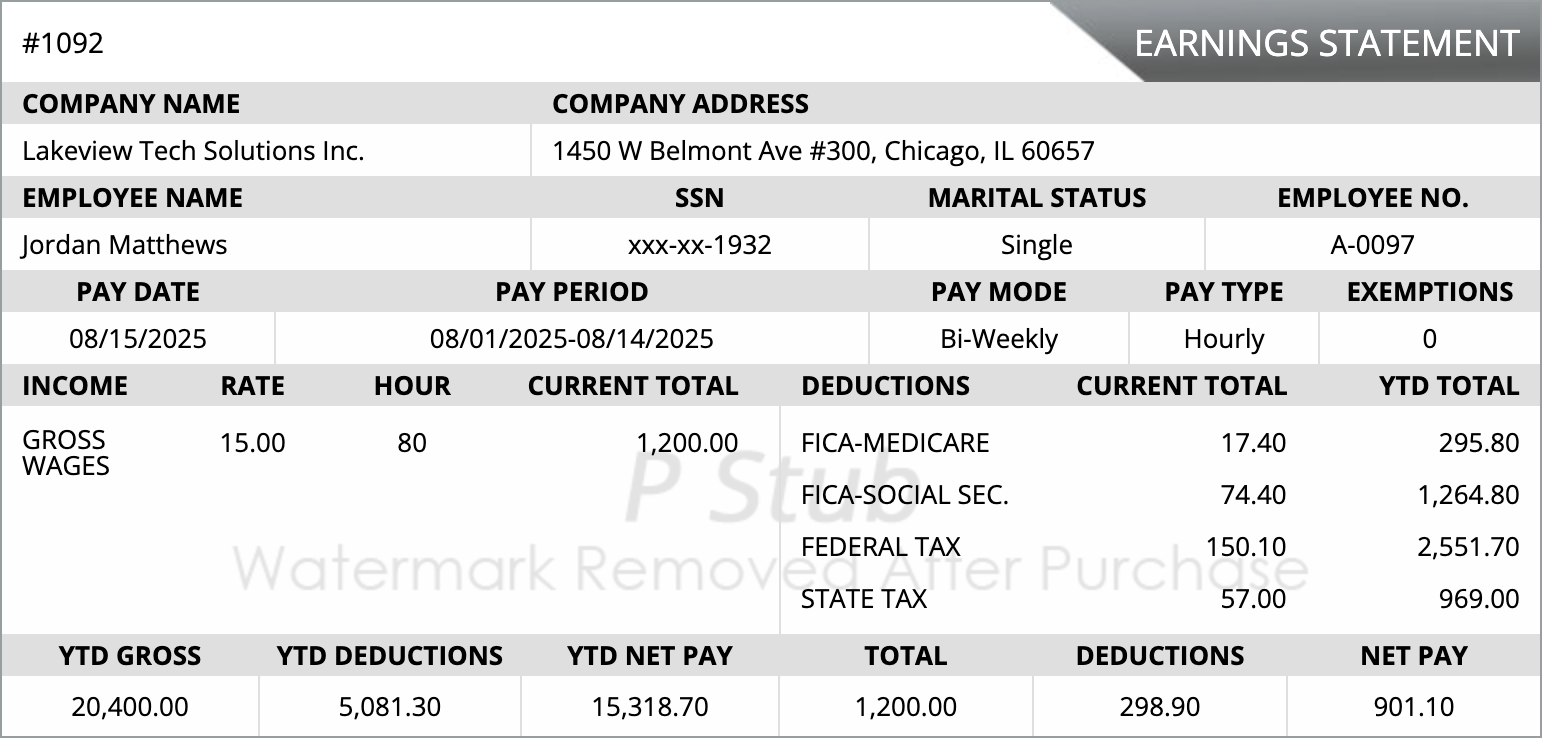
Key Sections of a Pay Stub
- Employee Information: Name, address, and employee ID.
- Pay Period & Date: The start and end dates for the paycheck.
- Earnings: Regular hours, overtime, bonuses, and gross pay.
- Deductions: Taxes, benefits, insurance, and retirement contributions.
- Net Pay: Amount received after deductions.
- Employer Contributions: Company-paid benefits and taxes.
Tips to Analyze Paycheck Stubs Like a Lawyer
- Verify employee information is correct for legal compliance.
- Check that gross earnings match your timesheets or contracts.
- Review each deduction carefully for accuracy and legality.
- Confirm net pay aligns with expected take-home amount.
- Look for any inconsistencies or unusual adjustments.
Common Pay Stub Errors to Watch
- Incorrect hours or overtime pay
- Missing or duplicated deductions
- Errors in tax withholding
- Misreported net pay
Frequently Asked Questions
Why read paycheck stubs like a lawyer?
Lawyers approach pay stubs methodically to ensure accuracy, legality, and to identify discrepancies that could affect earnings or taxes.
Can employees identify errors themselves?
Yes, by carefully checking earnings, deductions, and net pay against records, employees can spot and report errors promptly.
Are all deductions legal?
Deductions must comply with federal and state laws. Reviewing stubs ensures only authorized deductions are applied.
How often should pay stubs be reviewed?
It is recommended to review each paycheck to ensure accuracy and catch errors early.
Read Your Paycheck Stubs Accurately Like a Lawyer
Follow this guide to analyze your paycheck stubs carefully and protect your earnings, deductions, and taxes.




 Cookies Settings
 Reject All
 Accept All Cookies
 Save & Close