



What Is a Pay Stub?
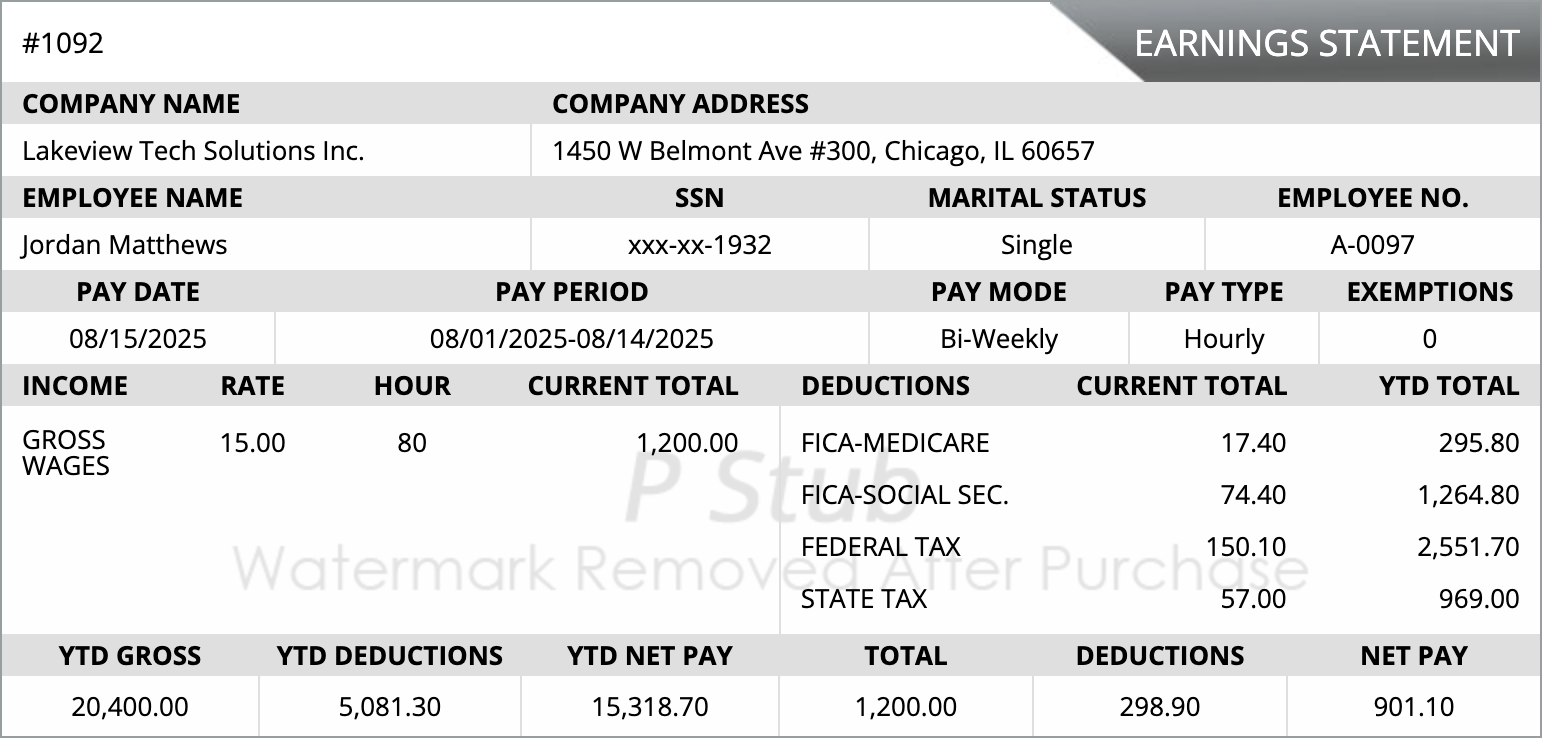
A pay stub is a detailed record that explains how compensation is calculated for a specific pay period. Knowing how to read a pay stub allows individuals and employers to clearly understand earnings, deductions, taxes, and final take-home pay.
Understanding Earnings on a Pay Stub
The earnings section shows income before any deductions are applied. This area reflects the total amount earned based on hours worked, pay rate, or salary structure.
- Regular wages or salary
- Overtime compensation
- Additional earnings such as bonuses
Deductions and Taxes Explained
Deductions are amounts subtracted from gross earnings. These include mandatory tax withholdings and authorized contributions that reduce total pay.
- Income and payroll taxes
- Insurance and benefit contributions
- Other approved withholdings
What Net Pay Means
Net pay is the final amount received after all deductions are applied. This is the figure most individuals rely on for budgeting and financial planning.
Why Reading a Pay Stub Is Important
Understanding a pay stub helps confirm accurate payment, identify potential errors, and maintain reliable financial records for personal or business use.
Frequently Asked Questions
What information appears on a pay stub?
A pay stub includes earnings, deductions, taxes, pay period details, and net pay.
Why do pay stub amounts change between pay periods?
Changes may occur due to overtime, updated tax settings, or benefit adjustments.
Is net pay the same as gross pay?
No. Gross pay is total earnings before deductions, while net pay is the final amount received.
How can someone check if a pay stub is correct?
Review hours worked, pay rates, and deductions and compare them with employment records.




 Cookies Settings
 Reject All
 Accept All Cookies
 Save & Close