



Overview of Pay Period Frequency
Understanding how many pay periods in a year depends on the payroll schedule your employer uses. A pay period refers to the time interval between paychecks. Different schedules affect how often employees receive their wages.
Common Pay Periods Per Year
- Weekly: 52 pay periods in a year
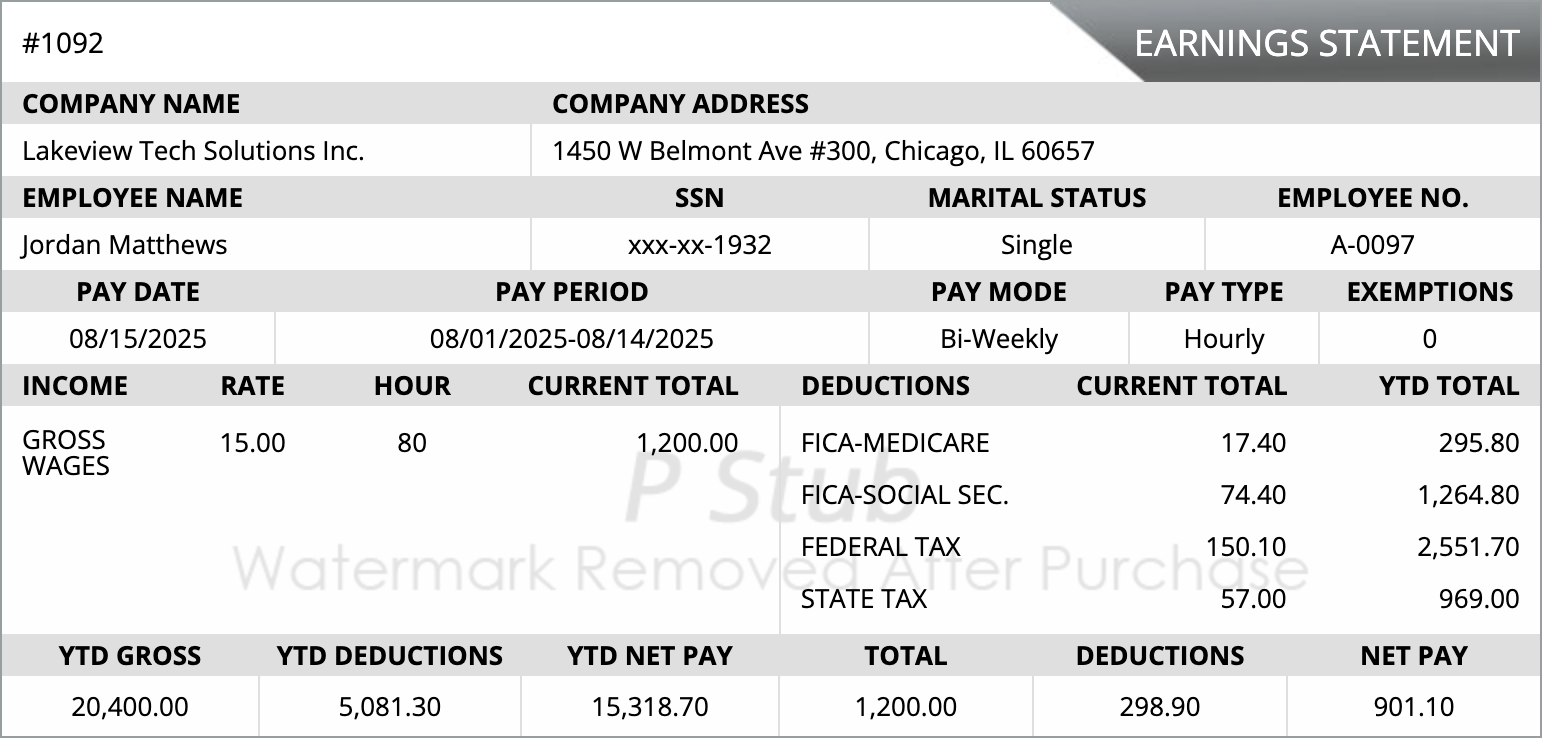
- Bi-Weekly: 26 pay periods in a year
- Semi-Monthly: 24 pay periods in a year
- Monthly: 12 pay periods in a year
- Quarterly: 4 pay periods in a year
These schedules impact budgeting, payroll processing, and employee cash flow planning based on how frequently paychecks are issued.
Impact on Payroll and Budgeting
The number of pay periods affects:
- How often employees receive pay
- How payroll taxes and deductions are calculated per check
- Budget planning for wages and cash flow
- Paycheck amounts relative to annual salary
For instance, employees paid weekly will see smaller amounts per check than those paid monthly, even if annual earnings remain the same.
Frequently Asked Questions
Why are there different pay period options?
Different pay period options offer flexibility for employers and employees to align payroll with business cash flow and personal budgeting needs.
Does the number of pay periods affect annual income?
No. The number of pay periods does not change annual income; it only affects the frequency and amount per paycheck.
Which pay period is most common?
Bi-weekly is one of the most common pay schedules used by employers due to its balance of pay frequency and administrative simplicity.
Can employers change the pay period during the year?
Employers may change pay periods but must comply with state laws and notify employees in advance.
Plan Your Payroll With Confidence
Knowing how many pay periods occur in a year helps both employers and employees manage budgets, payroll processing, and financial planning effectively.




 Cookies Settings
 Reject All
 Accept All Cookies
 Save & Close