



Introduction
Understanding how long to keep pay stubs and when to safely discard them is an important part of payroll record management. Pay stubs serve as proof of income and tax withholding, and keeping them organized helps individuals and businesses with reporting, taxes, and compliance.
Why Keep Pay Stubs?
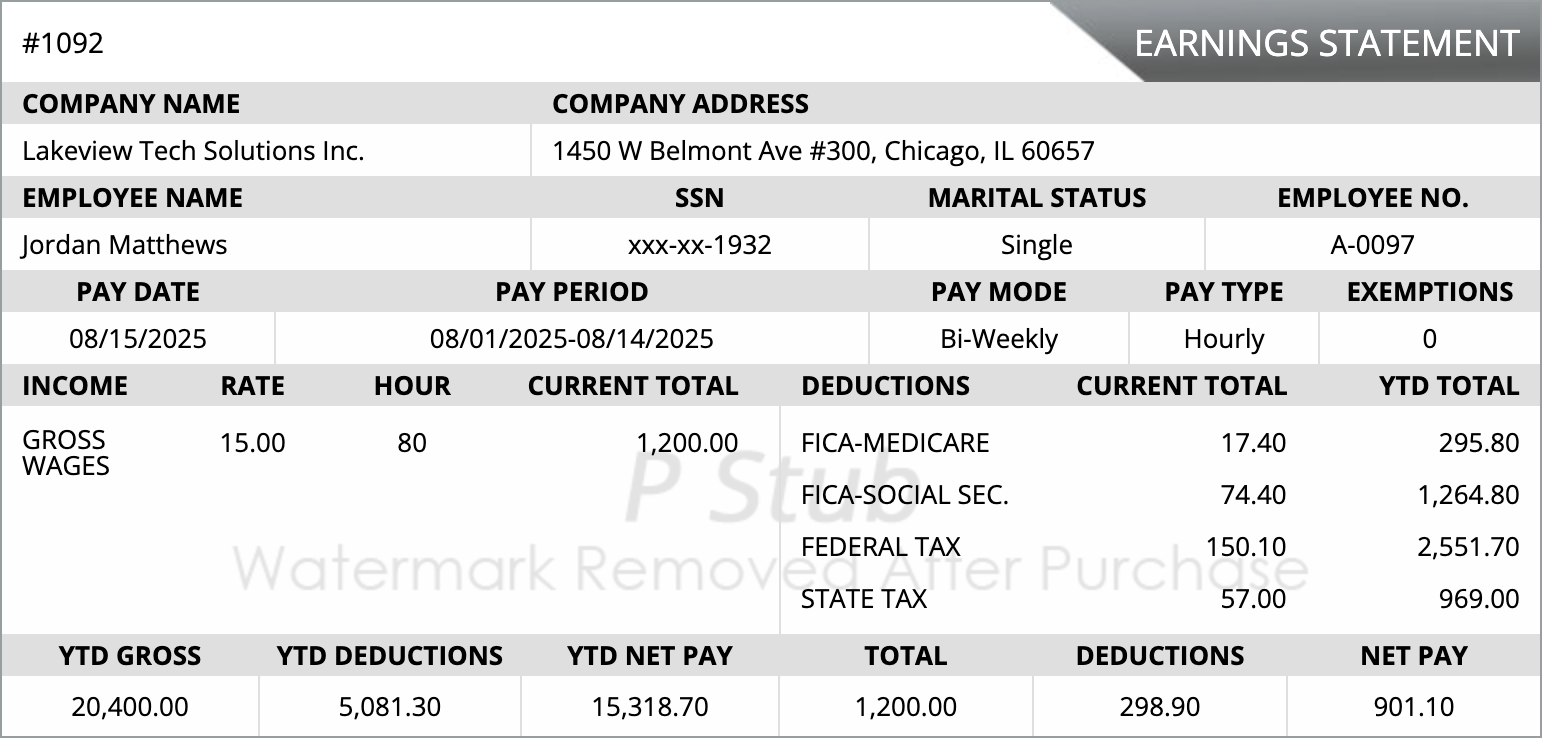
Pay stubs contain valuable information about wages, hours worked, benefits, and tax withholdings. Keeping them can help with tax filing, loan applications, employment verification, and resolving payroll disputes.
Recommended Retention Periods
General guidelines for retaining pay stubs include:
- Keep at least 1 year for personal record reference
- Retain up to 3–7 years for tax and legal purposes
- Businesses may need to keep payroll records for up to 7 years depending on labor laws
These timelines help cover most tax, audit, and verification needs.
How to Store Pay Stubs Safely
To protect pay stubs over time, consider:
- Using secure digital storage
- Organizing stubs chronologically
- Keeping backup copies in case of loss or damage
Safe Disposal Methods
When it’s time to discard old pay stubs, use methods that protect personal information:
- Shred paper copies
- Permanently delete digital files
- Use secure disposal services for sensitive documents
Frequently Asked Questions
How long should individuals keep pay stubs?
Individuals should keep pay stubs at least one year and up to several years for tax and verification needs.
Do businesses have different retention requirements?
Yes. Businesses may be required to retain payroll records for longer periods depending on federal and state labor regulations.
Is digital storage safe for old pay stubs?
Yes, if proper encryption and secure backup practices are used to protect personal information.
What should I do if I lose a pay stub?
Contact your employer for a replacement or check digital payroll systems if available.




 Cookies Settings
 Reject All
 Accept All Cookies
 Save & Close