



Overview
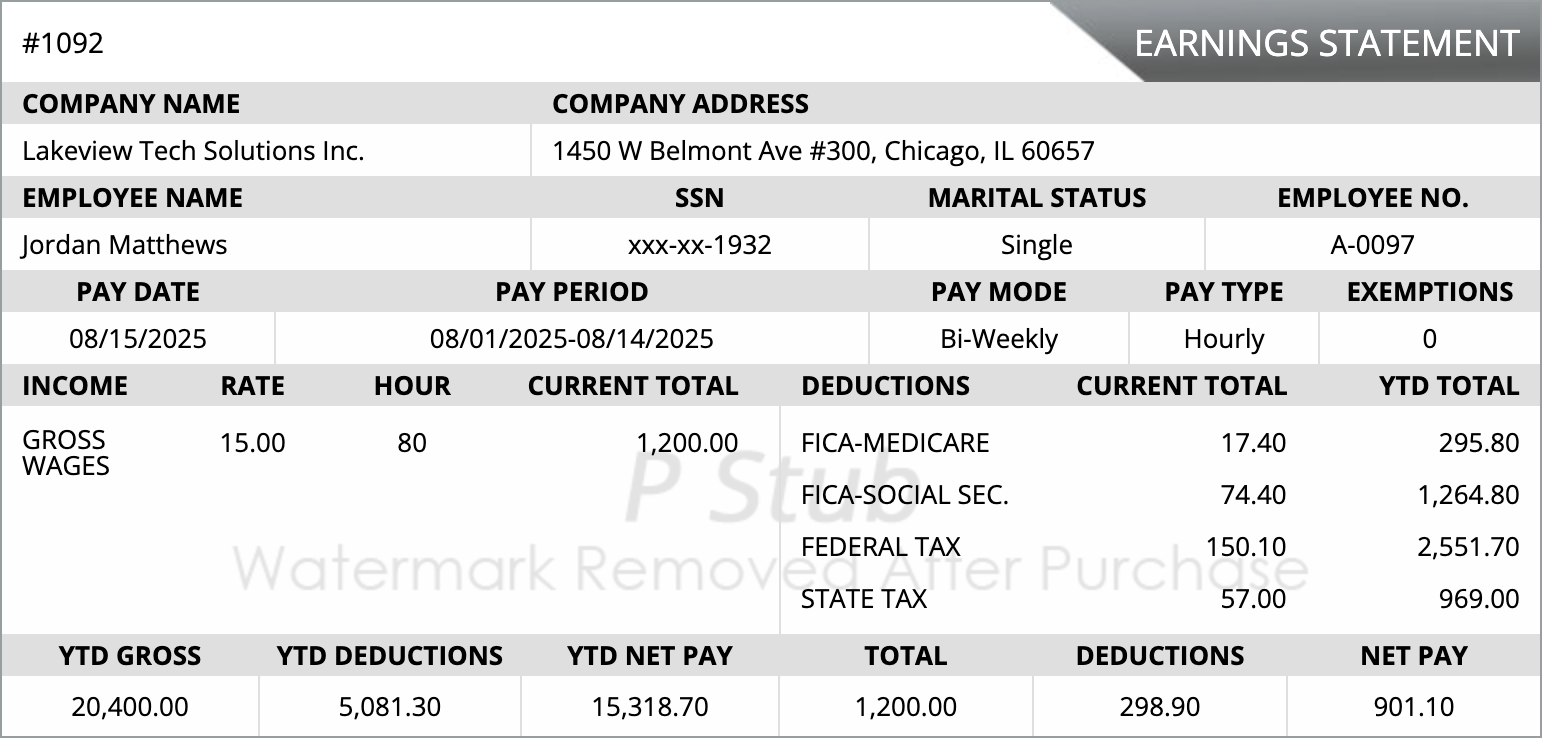
Understanding the health plan value on your pay stub helps you see exactly how much you and your employer contribute to insurance premiums, taxes, and benefits. Accurate interpretation ensures proper financial planning and payroll tracking.
What Is Health Plan Value?
Health plan value reflects the total cost of your insurance coverage, including employer contributions and deductions from your paycheck. This value helps determine the true cost of benefits and your financial responsibilities.
Reading Health Plan Deductions
- Locate the pre-tax deductions labeled for health insurance, HSA, or FSA
- Check the year-to-date (YTD) totals to confirm contributions
- Compare deductions against your insurance plan summary
- Verify that deductions match your elected coverage levels
Employer Contributions
Many employers contribute to employee health plans. These contributions may appear separately on your pay stub. Understanding them helps you calculate the full value of your benefits and your net compensation.
Employee Benefits Overview
- Health insurance premiums and coverage details
- Pre-tax deductions lowering taxable income
- Employer contributions increasing overall benefit value
- Other perks like wellness programs, HSA matching, or dental/vision coverage
Frequently Asked Questions
How do I find health plan value on my pay stub?
Look for pre-tax deductions and employer contribution lines labeled as health insurance, HSA, or FSA on your paycheck.
Does employer contribution affect my taxes?
Yes, employer contributions often reduce your taxable income and can provide tax advantages.
Can I use this information for financial planning?
Absolutely. Knowing your total health plan value helps in budgeting and understanding benefits utilization.
Are all deductions pre-tax?
Most health plan-related deductions are pre-tax, but always check your pay stub and plan details.




 Cookies Settings
 Reject All
 Accept All Cookies
 Save & Close