


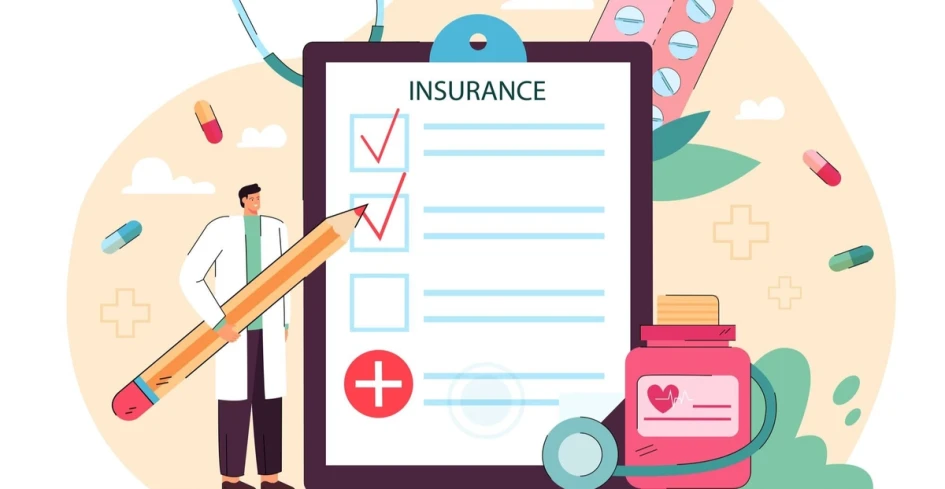
Overview of Health Deductions on Pay Stubs
Health deductions on pay stubs are amounts withheld from an employee's earnings to cover medical, dental, and vision insurance contributions. These deductions ensure employees maintain healthcare coverage while keeping accurate payroll records.
Why Understanding ER Health Deductions Matters
- Ensures correct payroll accounting and compliance
- Helps employees track healthcare contributions
- Supports accurate tax reporting and benefits administration
- Prevents payroll errors and disputes
Components of Health Deductions
Common health deductions include:
- Medical insurance premiums
- Dental coverage
- Vision insurance
- Employee contributions to flexible spending accounts (FSA) or health savings accounts (HSA)
- Other voluntary health-related deductions
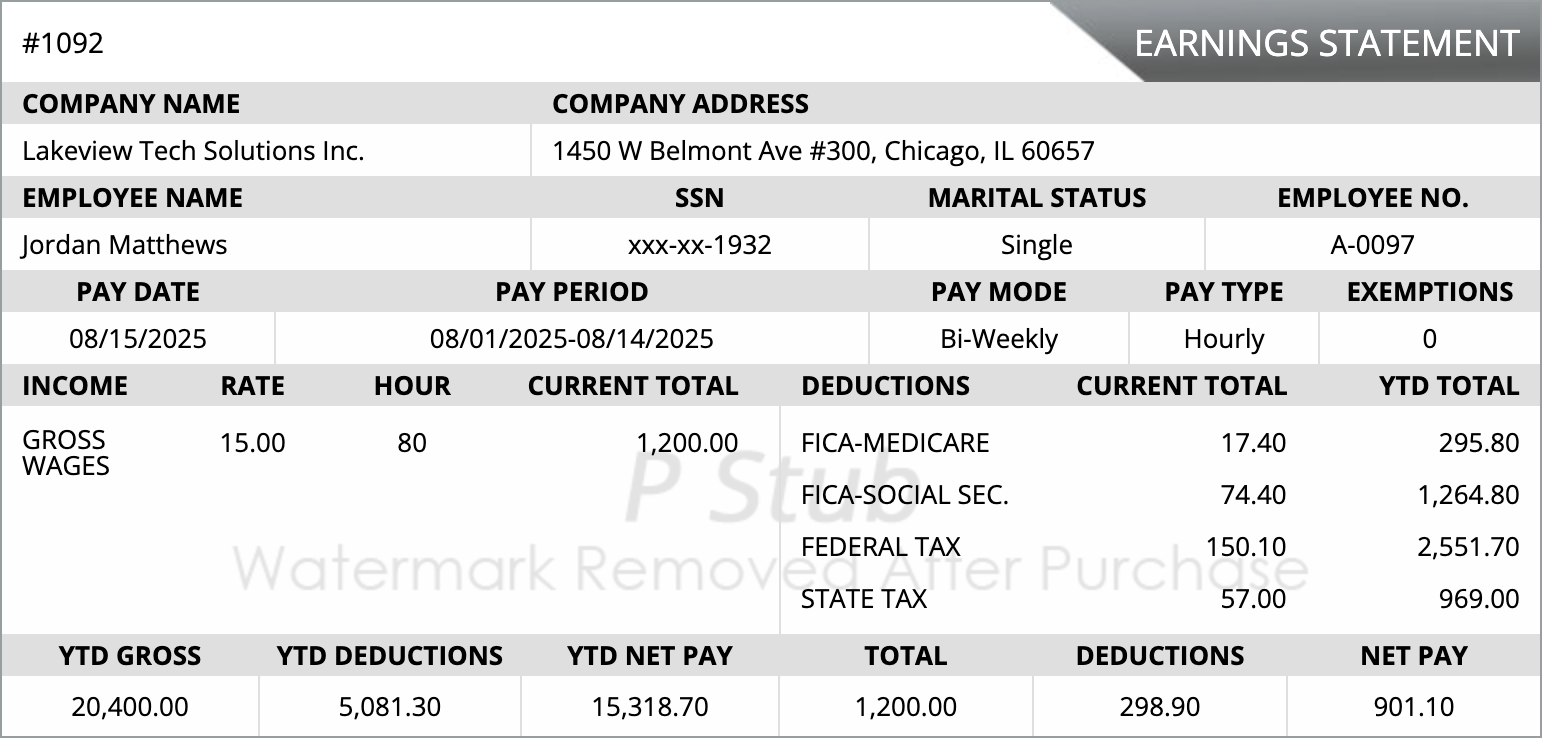
How to Read Health Deductions on Pay Stubs
- Locate the "Deductions" section on the pay stub.
- Identify health-related entries such as Medical, Dental, and Vision.
- Check the amounts withheld per pay period.
- Verify year-to-date totals match contributions and employer records.
- Ensure deductions align with your benefits enrollment.
Tips for Accurate Tracking
- Compare pay stubs to benefits statements regularly
- Notify payroll of any discrepancies immediately
- Keep copies of each pay stub for records
- Use payroll tools to monitor contributions automatically
Frequently Asked Questions
What are ER health deductions?
They are payroll withholdings for employee health, dental, and vision insurance contributions.
Why are these deductions important?
They fund healthcare coverage, ensure accurate payroll, and help with tax compliance.
How can I verify my health deductions?
Compare your pay stub entries with benefits statements and payroll records.
Can I adjust health deductions?
Yes, adjustments can be made during open enrollment or qualifying life events.
Track ER Health Deductions Accurately Today
Use this guide to understand and monitor health deductions on your pay stubs for accurate payroll and financial records.




 Cookies Settings
 Reject All
 Accept All Cookies
 Save & Close