



Introduction
Classifying employees correctly is a key responsibility for employers. The terms “exempt” and “non-exempt” relate to how employees are paid and whether they qualify for overtime. This guide explains the differences between these classifications, how each affects pay and compliance, and best practices for small business employers in 2026.
What Does “Exempt” Mean?
An exempt employee is typically salaried and not entitled to overtime pay based on federal and state wage laws. Exempt status applies to certain job roles and duties that meet specific criteria. Employers assign this status when employees regularly perform executive, administrative, or professional tasks under a defined salary basis.
What Does “Non-Exempt” Mean?
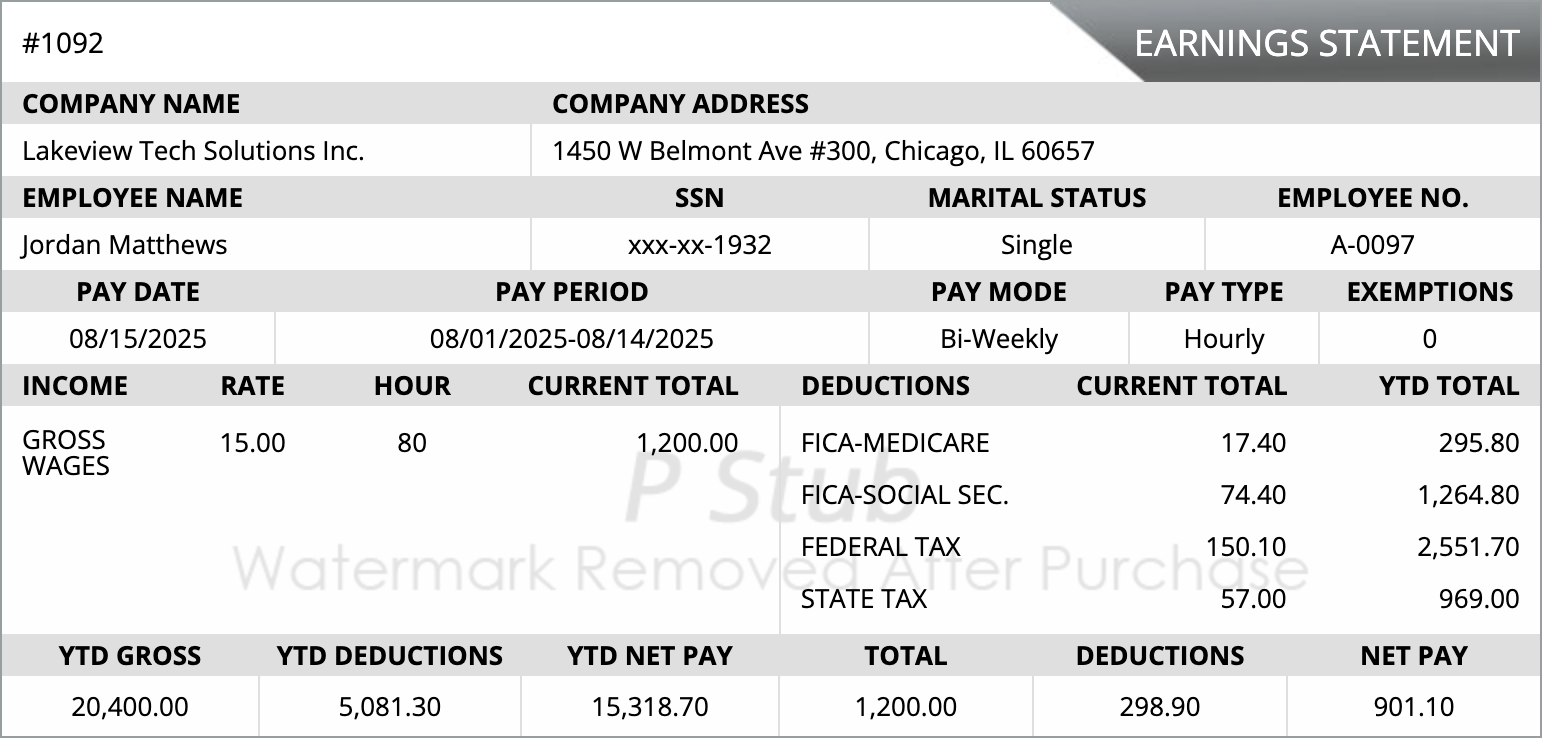
Non-exempt employees are paid based on hours worked and are eligible for overtime pay when they work beyond a standard workweek. This classification ensures hourly workers receive additional compensation for extra time on the job, as required by wage and hour guidelines.
Key Differences Between Exempt and Non-Exempt
The main distinctions between exempt and non-exempt employees include:
- Overtime Eligibility: Exempt employees are not eligible; non-exempt employees are.
- Pay Structure: Exempt employees receive a salary; non-exempt often earn hourly wages.
- Job Duties: Exempt roles often involve managerial, professional, or specialized responsibilities.
- Recordkeeping: Non-exempt workers require detailed tracking of hours worked.
Overtime Pay and Eligibility
Non-exempt employees must receive overtime pay when they exceed a standard workweek according to wage and hour policies. Employers must understand these rules to avoid compliance issues and ensure fair employee treatment.
Classification Best Practices
Correctly classifying your workforce helps ensure compliance and avoid penalties. Best practices include:
- Review job duties and pay structure regularly
- Document employee roles and expectations clearly
- Track hours worked for non-exempt employees accurately
- Provide training to HR staff on classification rules
Frequently Asked Questions (FAQs)
Can an employee change from exempt to non-exempt?
Yes, an employee’s classification can change if their duties or compensation structure changes to meet the criteria for the other category.
Does exempt mean no overtime pay at all?
Exempt employees generally do not receive overtime pay based on standard wage laws, but exceptions may apply under specific conditions.
Do non-exempt employees always get paid hourly?
Non-exempt workers are often paid hourly, but they can also be salaried; qualifying for overtime depends on their job duties and wage laws.
Why is correct classification important?
Accurate classification ensures compliance with wage and hour regulations and protects employers from penalties and disputes.
How often should I review employee classifications?
Regular reviews, especially when job roles change, help maintain accurate classification and compliance.




 Cookies Settings
 Reject All
 Accept All Cookies
 Save & Close