



Introduction
Choosing the right pay period schedule matters for both employers and employees. It affects payroll processing, cash flow, compliance, and employee satisfaction. This guide explains how to choose the most suitable pay period for your business needs in 2026 and beyond.
What Is a Pay Period?
A pay period is the amount of time over which employee work hours are recorded and paid. Common periods include weekly, biweekly, semimonthly, and monthly. Understanding each helps employers plan payroll accurately.
Common Pay Period Types
Different organizations use different pay periods. Here are the main options:
- Weekly: Employees are paid once a week.
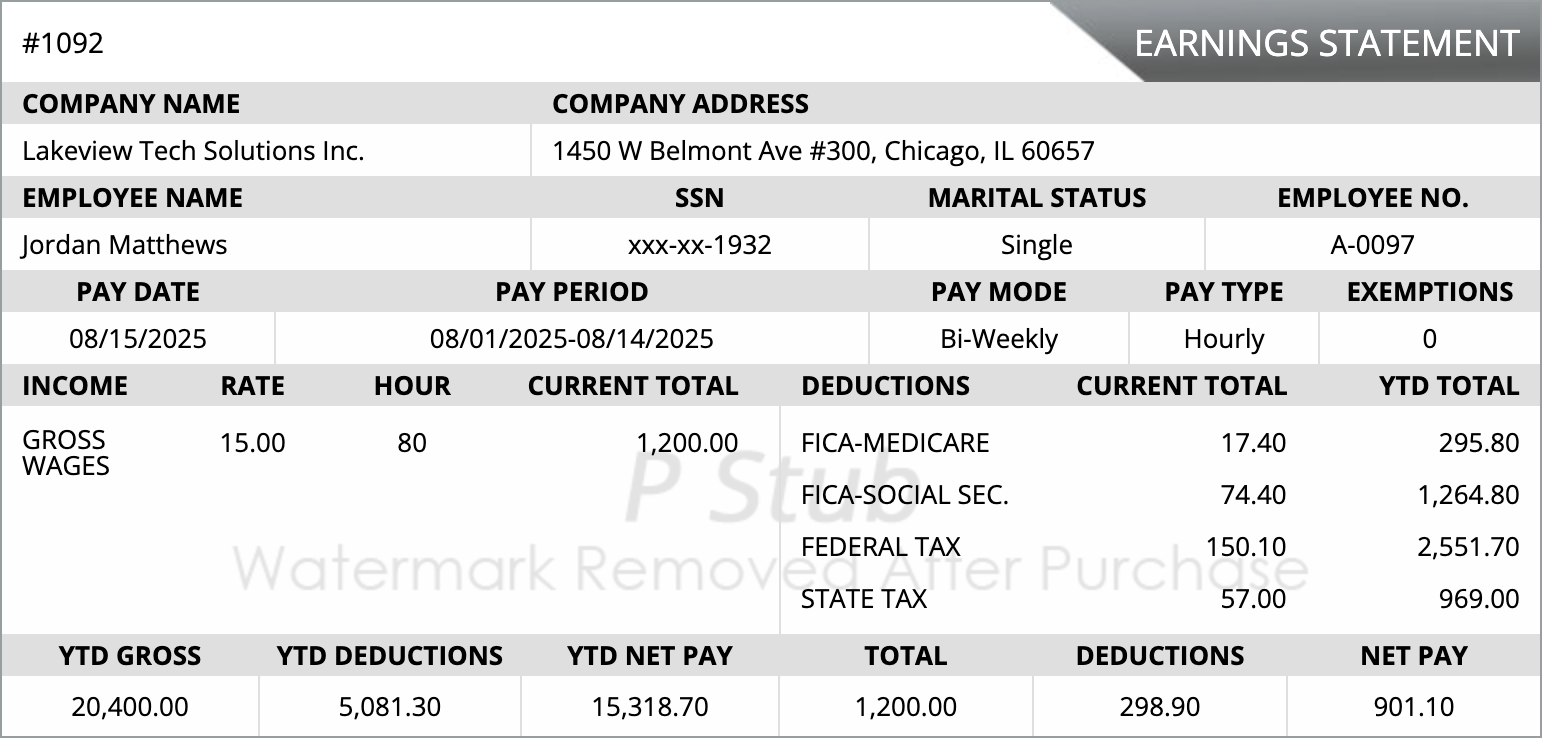
- Biweekly: Pay occurs every two weeks.
- Semimonthly: Pay happens twice per month.
- Monthly: Employees are paid once a month.
Factors to Consider
When choosing a pay period, consider:
- Cash flow impact on your business
- Administrative workload
- Employee preferences
- Compliance with payroll laws
How to Select the Best Pay Period
To decide on the most suitable pay period:
- Evaluate your business cash flow patterns
- Consider how often employees prefer to receive pay
- Review payroll costs associated with different periods
- Check legal requirements in your state or industry
Frequently Asked Questions
What is the best pay period for small businesses?
The best pay period depends on cash flow, administrative capacity, and employee expectations. Many small businesses choose biweekly or semimonthly schedules.
Are there legal requirements for pay periods?
Yes. Federal and state laws may have rules about frequency — for example, minimum pay frequency requirements that employers must follow.
Can employees choose their pay period?
Typically, the employer sets pay periods. However, communication with employees about preferences can help improve satisfaction.
Does pay period affect payroll costs?
Yes. More frequent pay periods may increase administrative costs and processing time.




 Cookies Settings
 Reject All
 Accept All Cookies
 Save & Close