



What Are Child Support Deductions?
Child support deductions are amounts withheld from an employee’s paycheck to fulfill a court-ordered support obligation. These deductions are calculated based on the total earnings, applicable taxes, and legal support percentages.
- Mandatory payroll deductions for child support
- Recorded on each pay stub for transparency
- Includes federal, state, and local tax adjustments
- Ensures compliance with court orders
How to Calculate Deductions
Calculating child support deductions involves several steps:
- Determine gross pay for the period
- Apply any pre-tax deductions (retirement, insurance)
- Calculate the percentage or fixed amount required by the support order
- Subtract any applicable taxes and adjustments
- Record the final deduction amount on the pay stub
Examples of Pay Stub Deductions
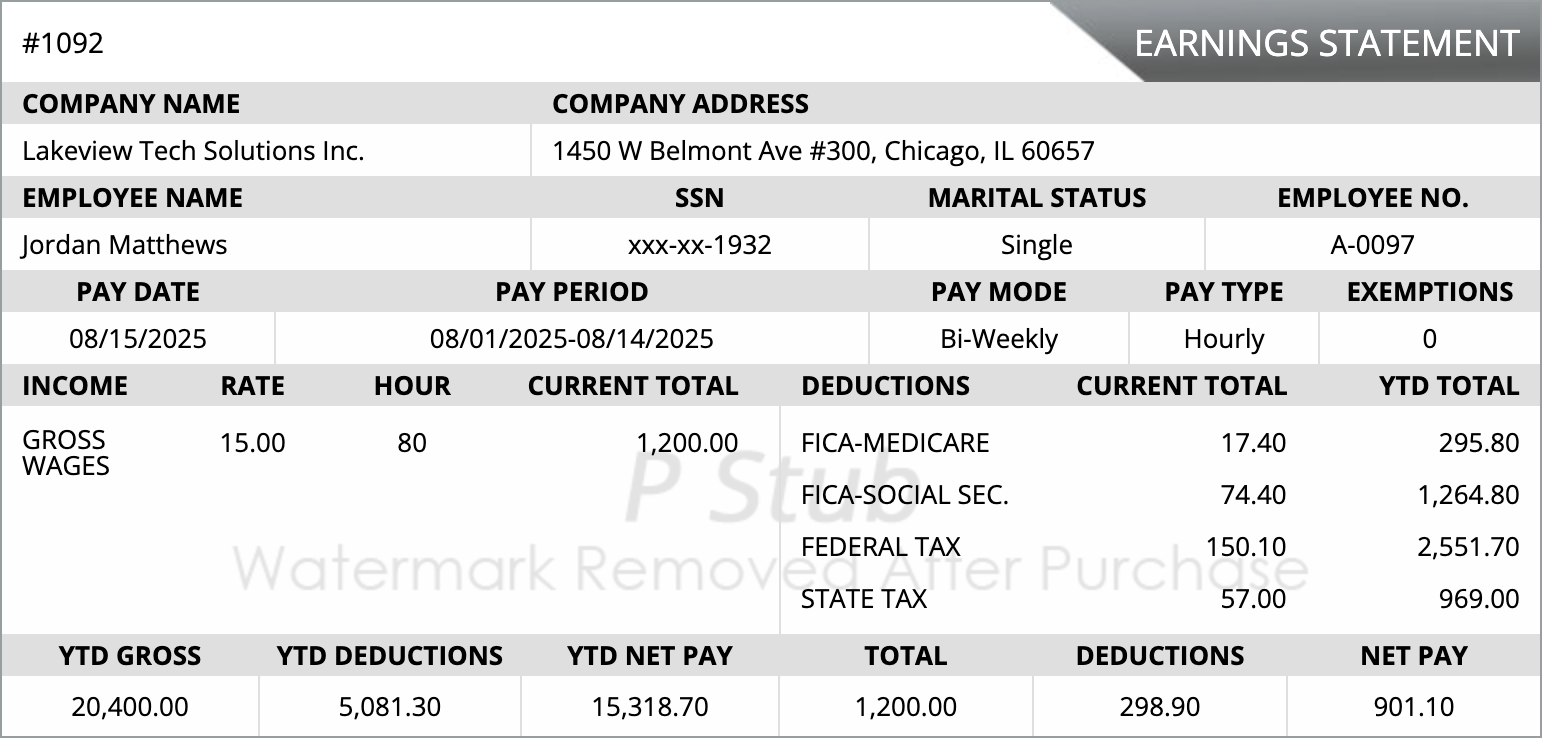
Here are common examples of child support deductions on pay stubs:
- Fixed monthly support: $500 deducted from each paycheck
- Percentage-based support: 10% of gross earnings
- Multiple children: separate lines for each obligation
- Combined deductions with other garnishments if applicable
Employee & Employer Guidelines
- Employees should verify deduction amounts on each pay stub
- Employers must ensure deductions comply with the court order
- Maintain records of deductions for legal and tax purposes
- Use accurate payroll software or calculators for consistency
Frequently Asked Questions
How are child support deductions calculated on a pay stub?
Deductions are calculated based on gross pay, pre-tax deductions, the court-ordered amount, and applicable taxes.
Can deductions vary by pay period?
Yes, deductions may vary if pay periods, earnings, or additional garnishments change.
Are child support deductions mandatory?
Yes, these deductions are legally required and must be withheld by the employer.
Can employees access past deduction records?
Yes, previous pay stubs provide a record of all child support deductions for verification or legal purposes.




 Cookies Settings
 Reject All
 Accept All Cookies
 Save & Close